Hey, folks!
I’m doing a prototype podcast with some author friends this month. Not sure when/if we’ll release it, and I’ll give a link to it whenever it’s available.
But in the meantime, here’s a preview of my responses to three of the questions.
Enjoy!
Question:
What’s your most expensive mistake?
Answer:
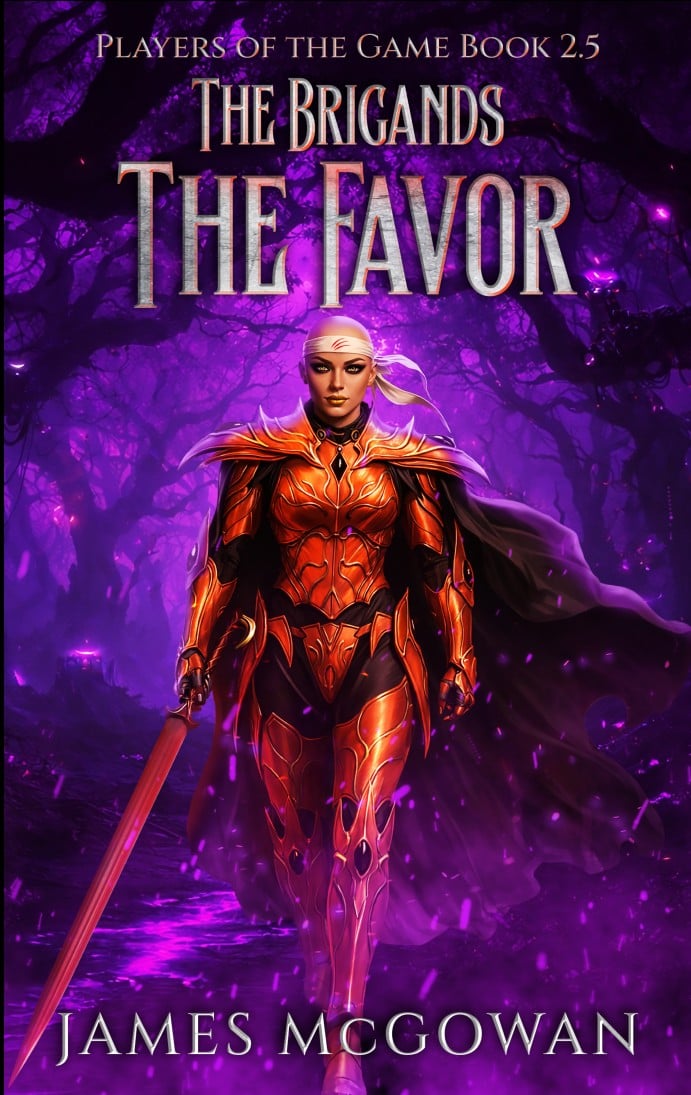
Adding my first three books to the ad page of Doctor Who Online.
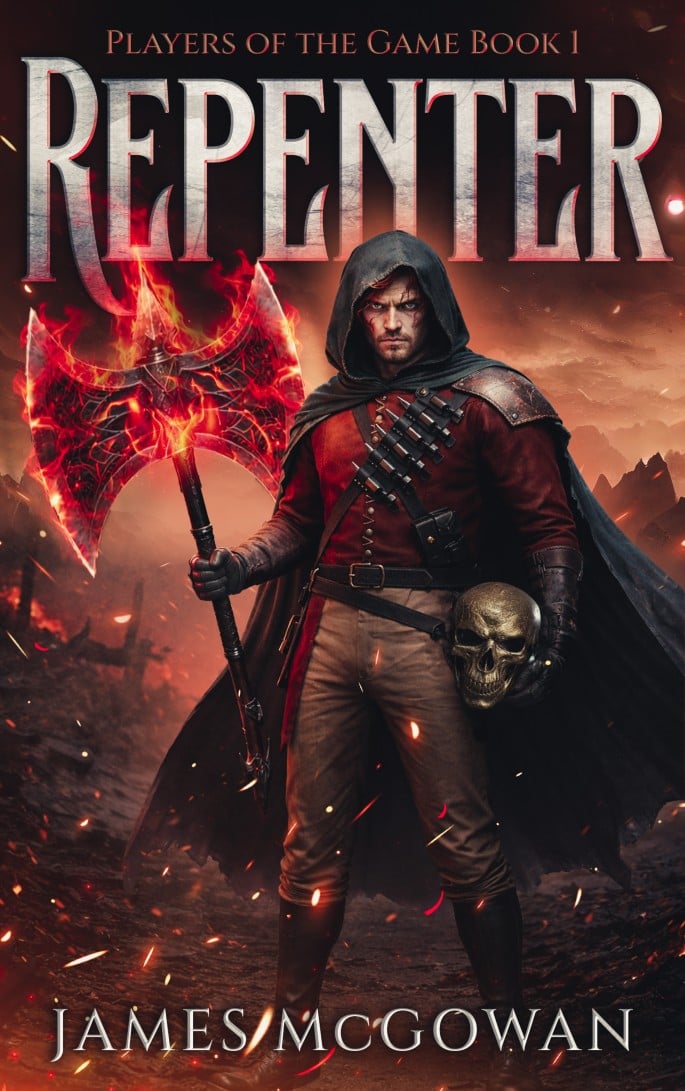
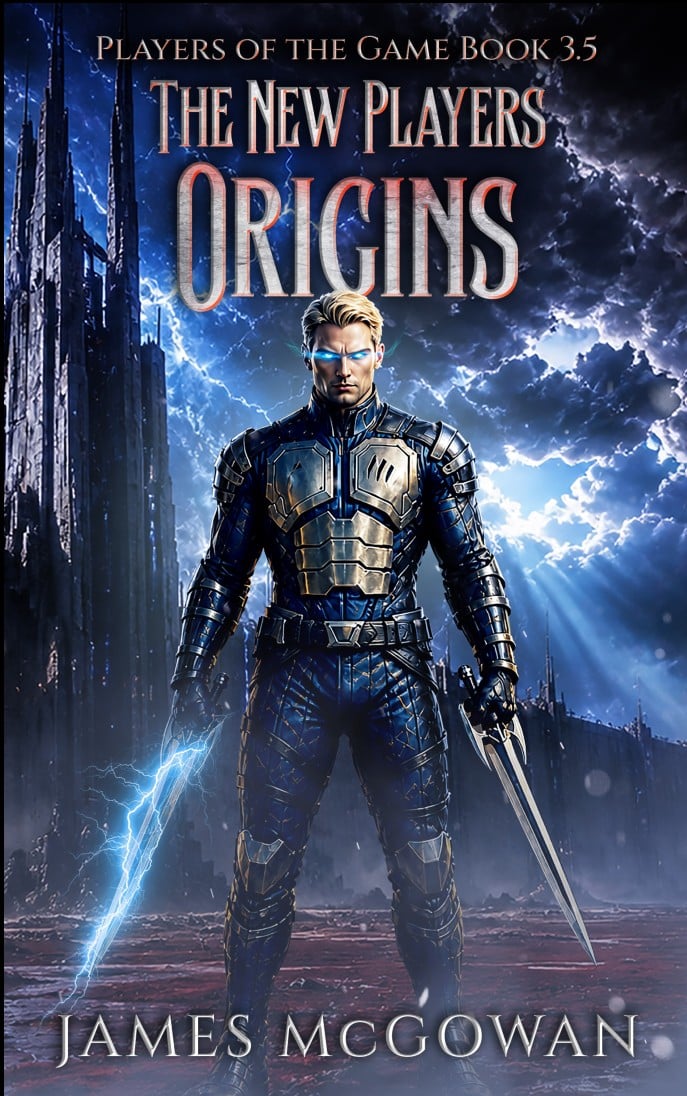
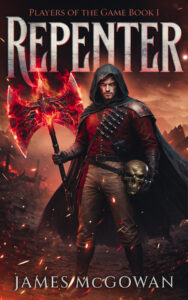
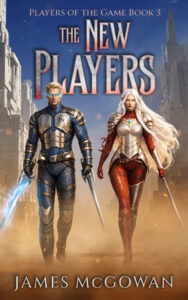
Amid the 2020 lockdown, I was busy doing a cover refresh of my first three novels in the POTG series. As with everyone, my head was in a weird place. And when I re-released Repenter with its new cover, an admin from Doctor Who Online reached out to me and asked if I wanted to sponsor the fan website. He said he liked the cover, so I found that delightful, as I needed more praise for my books.
More I say!
The site had giant blocks of sponsors all shoved together. All vying for attention. And almost certainly not getting it. But I thought to myself, “This is thinking outside the box. It’ll totally work.”
It did not.
I paid a bunch of money and got zero sales from it. The Doctor Who Online guys were friendly enough, but it was sadly not a good channel for me.
The lesson, which I will steal from Joanna Penn, who has also attributed it to someone else: Random acts of marketing do not work. Sadly, I’m a random kinda guy, so much of my attempts at marketing have had similar, albeit less costly, results.
Question:
What part of indie publishing surprised you the most once you were actually in it?
Answer:
The astounding number of people who have also written multiple books and indie-published them.
This is, of course, increasingly becoming a quaint observation with the rise of AI rapid releases. But I had always thought I was a rarer bird based on the folks I’d encountered personally.
Then I remembered there are a lot of people in America and in other English-speaking countries. And if a few million of us all write books and indie publish books, that is a whole lotta product.
A glut, if you will.
And it’s also still a fraction of the US population. Probably just one or two percent. So yes, there are a lot of indie authors, and we are also elusive. Probably because lots of us are introverts and we hide.
Also related to the glut of numbers of authors and books, if you don’t advertise or market, your books will not move.
Discoverability is pay to play in the 2020s, sadly.
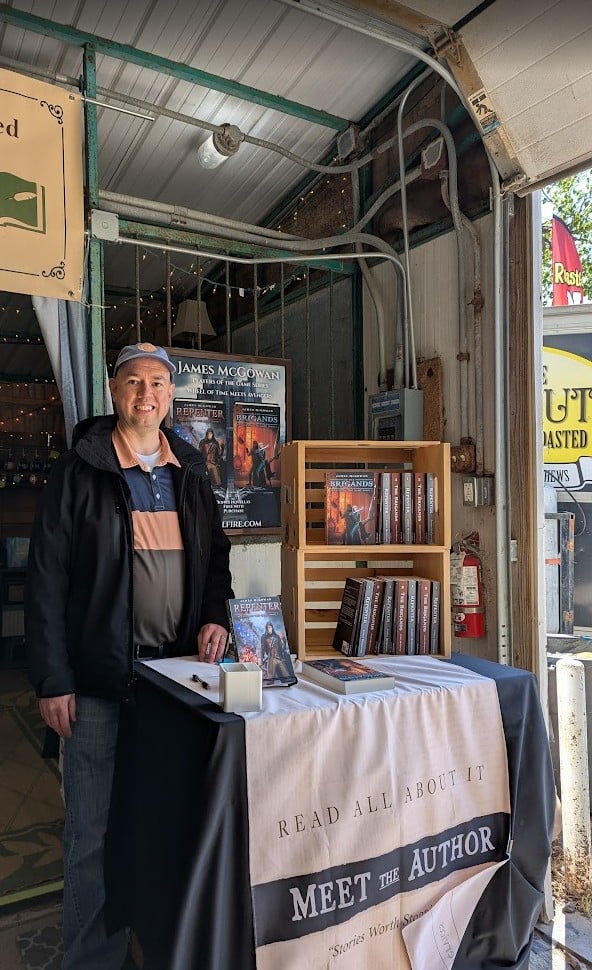
Organic reach is less assured online, but I have had decent success moving books at in-person events by selling them at a deep discount. I think the emails I collect from in-person interactions are more likely to engage with my newsletters.
That said, I still have miles to go in standing out from the gargantuan but also hidden crowd. And then there are the AI creation directors. It’s tough out there.
But I love writing my novels, so I’m cool with it.
Question:
What’s the most boring habit that made the biggest difference?
Answer:
Tracking and momentum.
I had a period of several years in the aughts and teens where I could not get more than a few pages written in any given week. I would edit it as I wrote it, wanting to make sure I polished all the descriptions of character appearances and settings.
And this. Slowed. Me. Down.
I remember feeling like I had all these story beats and character moments I wanted to get to, but having to describe some weird fantasy mindscape or a jagged mountain range’s climate or the giant undead giants suspended on chains.
It was a quagmire for my productivity.
Things turned around when I was at an NWG conference in the mid-teens. A guy said he made a web-based tracker for logging your productivity. And I used it for a bit. But going onto a website and entering the info was not something I ultimately felt like doing. I think because it was basically hidden if I wasn’t looking at it.
So I switched to a low-tech solution.
I started using sticky notes where I set my goal for the week of ten pages, and tracked if I made it or not. If you write a page a day, you’ll have a book in a year. Or part of a book if you’re a fantasy writer like me. So 10 pages a week is a little more than that.
If I do better, great! If I do worse, there’s always next week.
That really unlocked things for me.
The goal tracking made me realize I needed to plow through to the cool beats that I want to write with the character interactions and big plot moments. I often write little shorthand notes to myself with YY prefixes because no words have a double Y, so it’s easy to search and it stands out.
My first drafts overflow with notes like “YY More setting and description” and “YY describe this character’s armor”. It makes it easy to get the words out for the first draft. All the later drafts are much easier to work with because I have words on the page.
And a whole lot of descriptions to fill in, since first draft Jim skipped them.
But that’s okay, because the second, third, and fourth draft Jims don’t have to come up with the words from scratch.
All the Jims have their part to play in the writing process.
Feel free to reply with any of your own questions or recommendations.
As always, I’m happy to answer any questions you have for me on all things Players of the Game. And I love to hear any book, movie, video game, and comic book recommendations you have as well.
|